Practical notes on plant selection, mulching, and frost protection for gardens in Poland and other cold-winter regions of central Europe.
In-depth coverage of plant types, seasonal preparation methods, and species suited for USDA hardiness zones 5–6 common across Poland.
An overview of perennials, bulbs, and evergreens documented to withstand temperatures down to −20°C, with notes on soil preparation and planting depth.
Read article
How organic mulch layers protect root zones during freeze-thaw cycles, which materials work best, and the timing that matters most in continental climates.
Read articleHow USDA and European hardiness zones translate to practical planting decisions in Poland, including the variability between Mazovia and Podlaskie regions.
Autumn soil amendments that reduce frost heave, improve drainage around root crowns, and help bulbs establish before the first hard freeze.
Comparing bark, straw, pine needles, and leaf mould for insulation depth, moisture retention, and impact on soil pH over multiple seasons.
Which broadleaf evergreens tolerate both hard frost and the desiccating winds common in open Polish landscapes without additional wind protection.
Recognising frost damage in late March and April, how to assess whether a plant is worth retaining, and which species reliably regenerate from the root.
Depth charts and container strategies for alliums, dahlias, and tender bulbs that require lifting in USDA zone 5 conditions or colder.
A selection of well-documented species that tolerate sustained sub-zero temperatures across multiple winters.
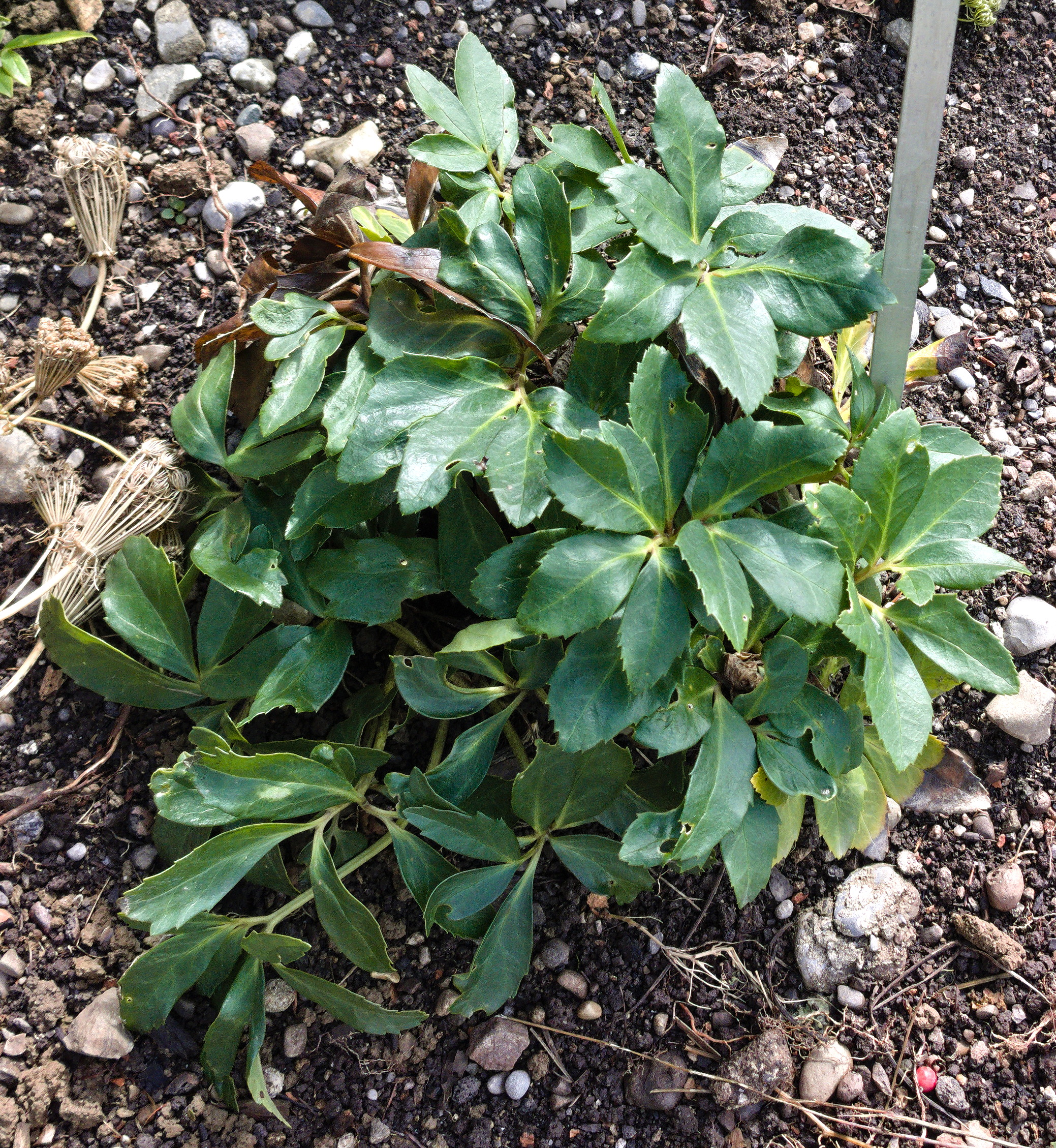
Blooms in late winter, tolerant of zone 4 conditions. Prefers part shade and humus-rich, well-drained soil. Documented flowering through snow cover in central European gardens.
Winter heath with documented hardiness to −25°C. Flowers January through April in most Polish climates. Tolerates alkaline soils unlike most heaths.
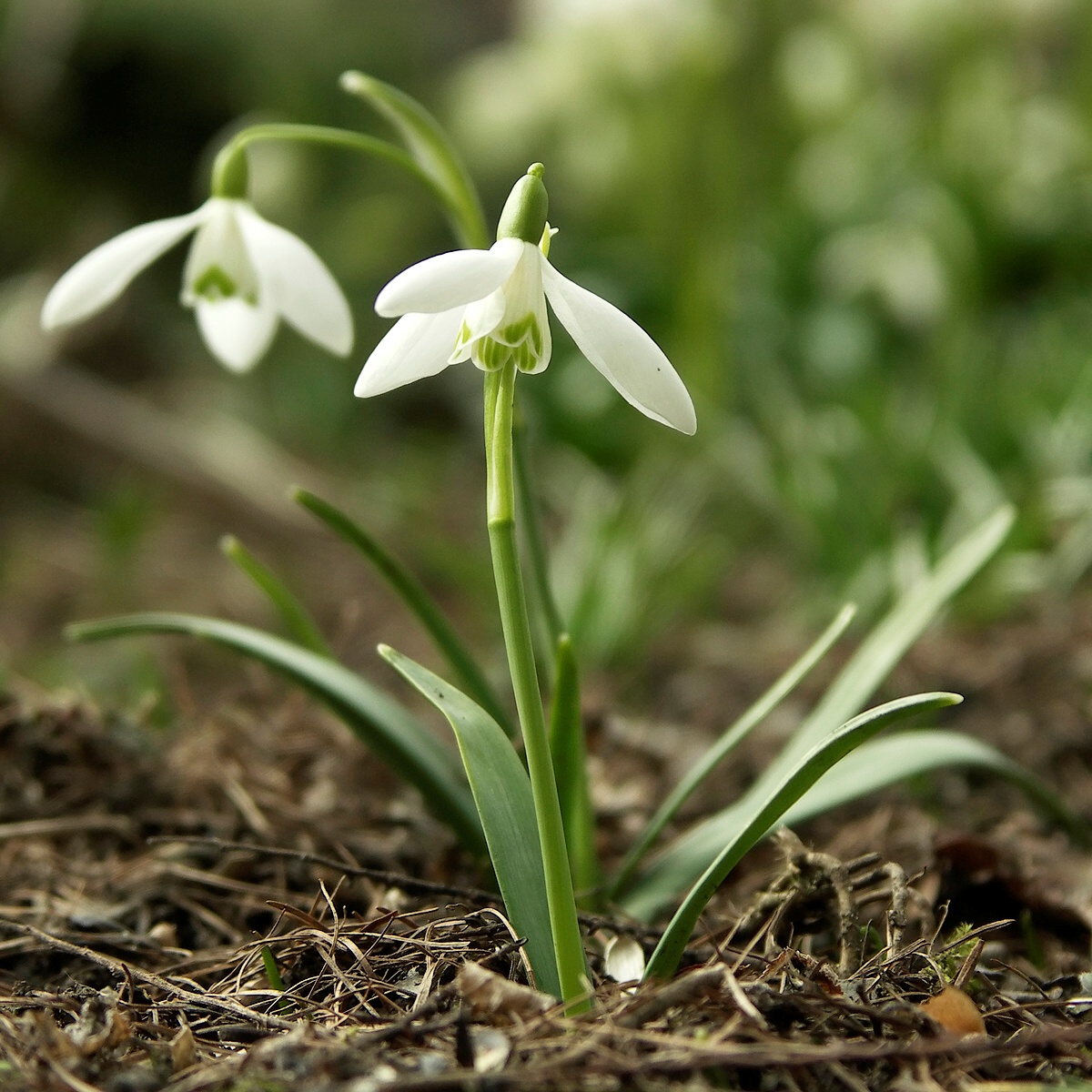
One of the earliest spring bulbs, naturalising well in deciduous woodland edges. Hardy to zone 3. In Poland, first flowers typically emerge in February in lower elevations.